8171 CNIC Blocked? Complete Reactivation Guide
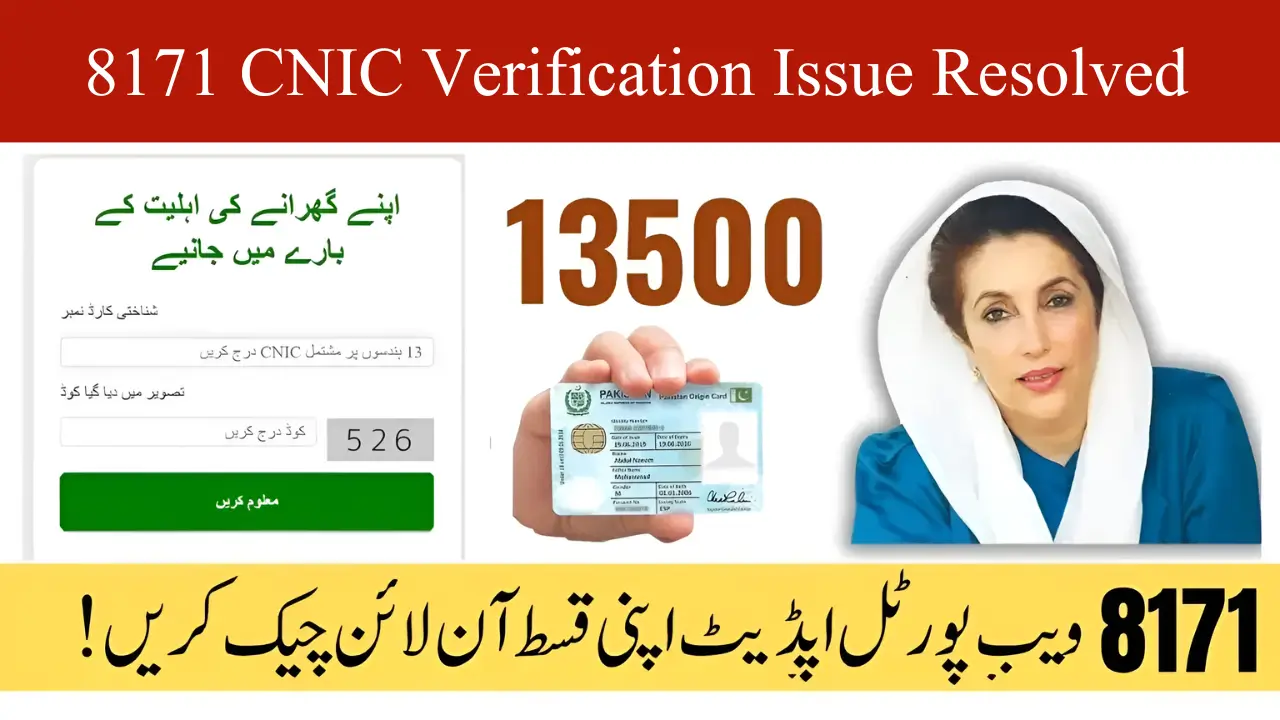
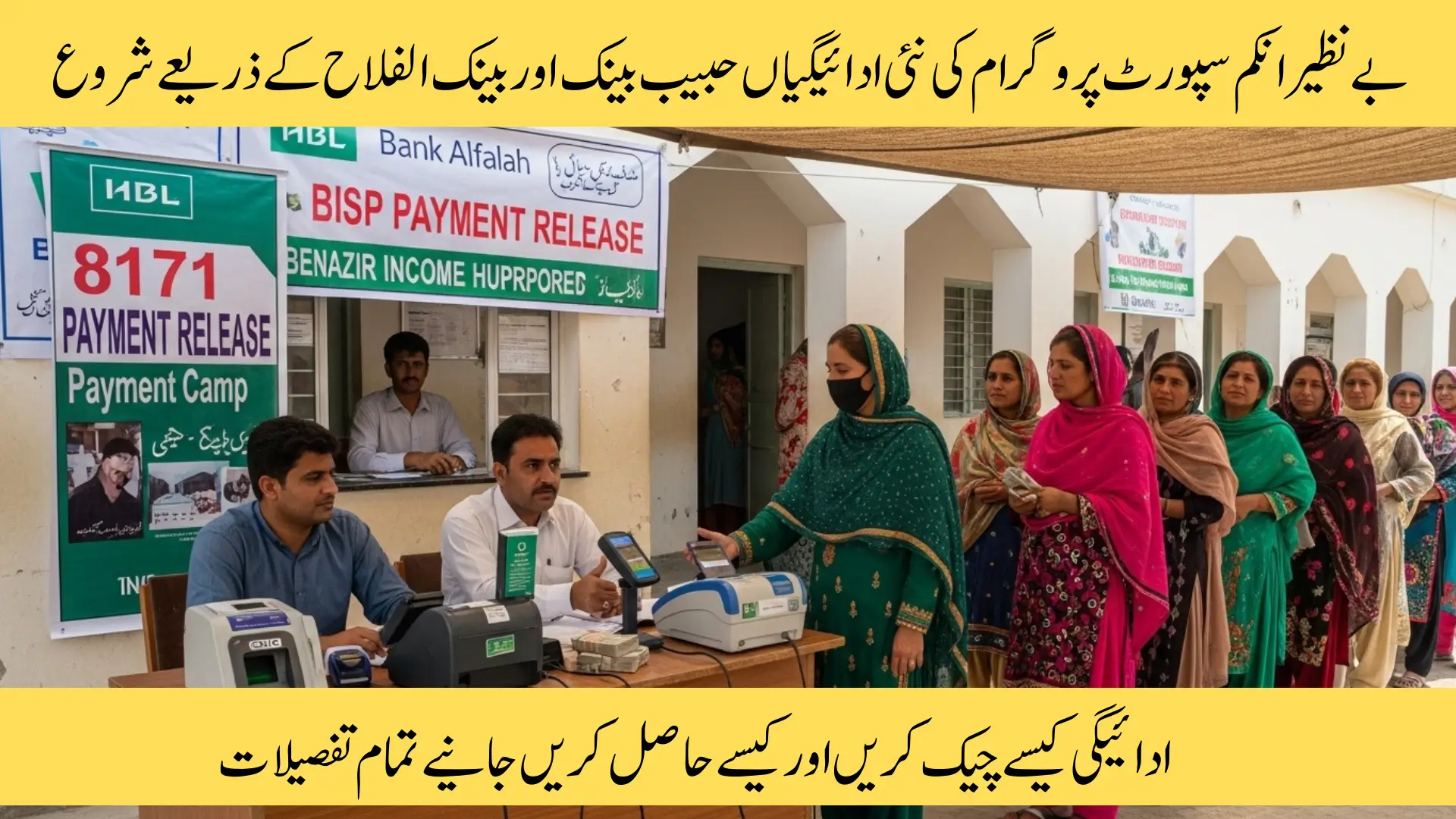
8171 CNIC Blocked? Complete Reactivation Guide to Become Eligible Again is a concern for many families who suddenly stop receiving BISP payments without any clear explanation. If you were previously eligible for the Benazir Income Support Program and your 13500 payment has been halted, it usually means your CNIC status has been temporarily blocked in the 8171 system. For households that depend on this financial assistance to manage basic needs, a blocked CNIC can feel alarming.

However, most people do not realize that such blocks are often temporary and caused by minor verification or record-related issues. With the right steps, eligibility can usually be restored within a short time. This complete guide explains why CNICs get blocked, how to reactivate your 8171 status, and what you should do to avoid future suspensions.
Also Read: 8171 BISP Registration 2026 Token Slip, Verification Process & PMT Criteria
What Does “8171 CNIC Blocked” Actually Mean?
When your CNIC is marked as blocked in the 8171 system, it does not automatically mean you are removed from BISP permanently. In most cases, the system temporarily pauses payments until some missing or incorrect information is corrected.
BISP regularly cross-checks beneficiary data with NADRA, NSER surveys, and biometric records. If anything appears outdated, incomplete, or mismatched, the system flags the account for review. Payments remain stopped only until the issue is resolved.
Understanding this process helps beneficiaries take action calmly instead of assuming permanent disqualification.
Common Triggers That Cause CNIC Blocking in BISP
There are several reasons why a CNIC may become blocked under the 8171 program. Identifying the correct reason is the most important step toward reactivation.
The most frequent triggers include:
- Household data not updated in NSER
- CNIC expired or NADRA verification incomplete
- Fingerprint mismatch during biometric verification
- Missed or delayed 8171 SMS responses
- Changes detected during eligibility reassessment
Also Read: GTS Punjab Phase 3 2026 Complete Online Registration & Eligibility Guide
Outdated NSER Information and Eligibility Suspension
The National Socio-Economic Registry (NSER) is the foundation of BISP eligibility. If your family information has not been updated for a long time, the system may temporarily mark your status as inactive.
Life changes such as marriage, death of a family member, change in income, or relocation must be reported through the Dynamic Survey. Failure to do so can result in payment suspension.
How to Update NSER and Restore Eligibility
To fix this issue, visit your nearest BISP Tehsil Office and request a Dynamic NSER update. Take your original CNIC and provide accurate household information. The staff will update your data in the system.
Once verification is completed, payments are usually restored within a week. Regularly updating your NSER data ensures long-term eligibility and avoids repeated blocks.
Also Read: How To Check BISP 8171 Payment Status In 2026 Eligibility And Registration Guide
CNIC Expiry and NADRA Record Problems
An expired CNIC is one of the most common reasons for 8171 CNIC blocking. Since BISP payments are directly linked with NADRA’s database, the system automatically stops payments when a CNIC becomes invalid.
Many beneficiaries overlook CNIC expiry dates, which leads to sudden payment suspension without warning.
Steps to Fix CNIC Expiry Issues
Visit a NADRA office and renew your CNIC as soon as possible. After renewal, submit a copy of your updated CNIC or the renewal receipt at your local BISP office.
Once NADRA verification is completed, your CNIC is usually unblocked within a few working days. Keeping your CNIC valid is essential for uninterrupted BISP payments.
Also Read: BISP 8171 Quarterly Payment 2026 New Schedule, Eligibility Rules & Status Check
Biometric Verification Failure and Payment Blocking
Biometric verification is mandatory for receiving BISP funds. If fingerprint verification fails repeatedly, the system may temporarily block payment access.
This problem is common among elderly people, laborers, and women whose fingerprints may be unclear due to age or manual work.
How to Resolve Biometric Issues Properly
Visit a BISP Tehsil Office or NADRA center that offers biometric re-verification. Make sure your hands are clean and dry during scanning. If one finger does not work, request scanning through other fingers.
After successful biometric verification, payment access is generally restored within a few days.
No SMS from 8171 Is Your CNIC Really Blocked?
Sometimes beneficiaries believe their CNIC is blocked simply because they did not receive an SMS from 8171. Network issues, SIM problems, or system maintenance can delay messages.
In many cases, payments are ready, but beneficiaries are unaware due to missing SMS alerts.
How to Check Status Without SMS
You can send your CNIC number via SMS to 8171 or visit the official BISP portal to check your eligibility status. If the issue persists, visit a BISP office for manual confirmation.
Also Read: BISP 8171 January 2026 Payment Update CNIC Verification & Eligibility Guide
Expected Time to Reactivate a Blocked CNIC
The time required to unblock a CNIC depends on the type of issue involved. Most problems are resolved quickly once the correct documents are submitted.
| Problem Type | Action Required | Estimated Time |
| NSER Data Not Updated | Dynamic Survey | 5–7 days |
| CNIC Expired | NADRA Renewal | 3–7 days |
| Biometric Failure | Re-verification | 2–5 days |
| SMS or Status Issue | Manual Check | 3–5 days |
How to Protect Your BISP Eligibility in the Future
Preventing CNIC blocking is easier than reactivating it. Beneficiaries who stay proactive rarely face long-term suspensions.
To remain eligible:
- Renew CNIC before it expires
- Update NSER data whenever household details change
- Keep biometric records updated
- Use an active mobile number linked to CNIC
- Avoid providing incorrect or misleading information
Also Read: CM Laptop Scheme 2026 Private College Students To Receive Laptops For The First Time
What If Your CNIC Remains Blocked After All Steps?
In rare cases, payments may remain stopped due to system delays or pending reviews. If this happens, revisit your BISP Tehsil Office and request a detailed case review.
Ensure that your CNIC, NSER, and biometric records are fully updated. Regular follow-ups usually resolve such cases without further complications.
Conclusion
Having your 8171 CNIC blocked can be stressful, but it is rarely permanent. Most suspensions occur due to correctable issues such as outdated records, CNIC expiry, biometric errors, or communication delays.
By understanding the reasons behind the block and taking timely action, beneficiaries can restore their eligibility and continue receiving Rs. 13,500 payments without disruption. Staying informed, proactive, and compliant with BISP requirements is the best way to ensure long-term financial support.
Also Read: CM Punjab Rozgar Scheme 2026 Online Registration, Eligibility And Benefits